
At 29 weeks pregnant, I was lying in a hospital bed, feeling swollen and nervous as doctors and residents marched in and out of my room. Diagnosed with preeclampsia, I was in the unusual position of wanting to stay in the hospital as long as possible, buying time for the son we planned to name Rowan.
“We’re going to keep you pregnant as long as we can,” the doctor told me, “but we have to weigh your safety against your son’s. Preeclampsia has the potential to be life-threatening for both of you,” she warned.
It was my second pregnancy, and I had no history of high blood pressure, weight problems, or previous preeclampsia. At 33 years old, I was in the safe age range.
Preeclampsia is part of the spectrum of hypertensive disorders that can occur during and after pregnancy, and it’s characterized by high blood pressure and protein in the urine. When preeclampsia progresses to full-blown eclampsia, the pregnant mother experiences seizures.
I knew it could be dangerous: I had lost a friend to complications from eclampsia two months earlier. She had been 26 weeks pregnant when the seizures began and then were followed by a stroke. An emergency C-section saved the life of her daughter, but my friend never regained consciousness.
At the time, I was reassured that I wouldn’t follow in her footsteps: I had no risk factors for preeclampsia. It was my second pregnancy, and I had no history of high blood pressure, weight problems, or previous preeclampsia. At 33 years old, I was in the safe age range.
So I never expected the word “preeclampsia” to come out of the doctors’ mouths when I arrived at the hospital after a bleeding episode. Suddenly, I was faced with the idea that if it could happen to my friend, it could happen to me. I knew I was lucky to have a medical team watching me so closely.
The survival rate for babies born at 31 weeks is more than 95%, but the road to a healthy baby is long.
Still, it’s hard to feel grateful when you live inside the revolving door of a tiny hospital room. I was in the hospital for two weeks, and nurses’ aides appeared every three hours to take my vitals, food service came and went with trays, and the IV pump sang me the song of its people seconds after I closed my eyes. The bed inflated and deflated at regular intervals to prevent bedsores, and phlebotomists appeared at 5 a.m. to draw blood. For one memorable 24-hour period, I had to collect my pee in a jug, keeping it on ice so that my room didn’t smell like a urinal.
My world shrank to fit into a box the size of my parents’ master bathroom—I depended on others for food, medicine, and basic necessities. My then husband brought our daughter Lorelei to visit each night. Friends and family came when they could, carrying with them the honeyed scent of a springtime marching on without me. I watched lightning flash in my patch of visible sky through the window, wishing I could smell the storm’s first raindrops hit the pavement. Mostly, I lay in my adjustable bed and alternated between sleeping and staring at the ceiling as the benevolent apparitions of my large healthcare team materialized at random.
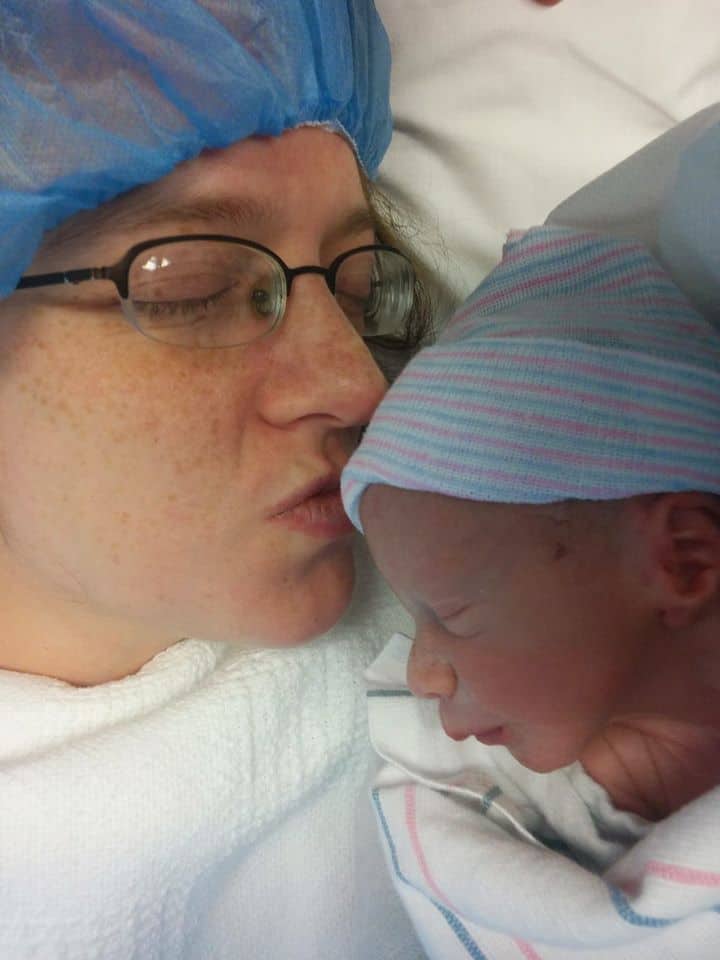
When I was 31 weeks pregnant, the doctor told me not to eat breakfast one morning. I knew there was no way they would deny me food for anything but bad news. The doctor placed his comforting hand on my swollen ankle and said, “I’m going to cut to the chase; your labs are worrisome, and it’s unlikely we’ll be able to hold off on delivery for more than a day or two. Rather than waiting until we have a crisis situation, I suggest we deliver this baby tonight.” The room closed in around me. I felt like I was gasping for breath inside a postage stamp.
The survival rate for babies born at 31 weeks is more than 95%, but the road to a healthy baby is long, involving stays in the hospital that are frequently measured in months rather than hours or days. There was a real risk my son would have problems related to underdeveloped lung function. Eye issues, bowel diseases, brain bleeds, and infections were all possibilities.
Sleep was even harder to come by now that I had an extremely high-need infant at home.
But I had no choice. That evening after two IV placements, a urinary catheter, and a needle in my spine, we were ready to meet him. I lay on the cold steel table, shivering, until the surgeon shouted, “He’s here!” from behind the drape obscuring my view of the various internal body parts placed temporarily outside of my body. My vision contracted until there was only the space between my eyes and the barrier separating me from my son.
“He’s breathing on his own!”
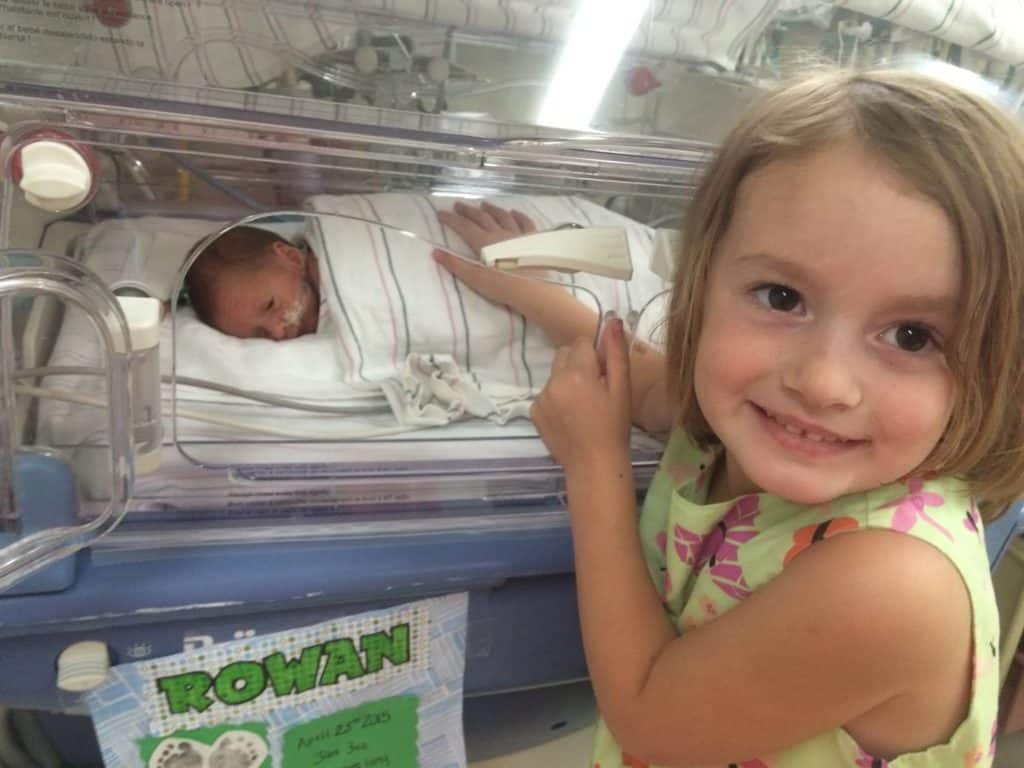
My world flew wide open. Every second in every hospital room had been worth it, as my beautiful three-pound son took his first breath. Five days later, I went home without him, as he had to stay in the NICU. Leaving the hospital alone was the most painful experience of the whole ordeal, but I thought taking him home after six weeks would be the catharsis.
During those six weeks I barely slept. My time was split between the hospital and home, with around-the-clock pumping no matter how much I desperately needed sleep. When I did have the chance to close my eyes, I was immediately bombarded with nightmares. I dreamed, mostly, of children dying. At first, I was in so much pain from surgery that I was unable to stand to lift my son out of his isolette.
I wondered how strong it was, really, to push through when “through” is the only direction available.
In the months that followed his homecoming, my brain continued to spiral. Sleep was even harder to come by now that I had an extremely high-need infant at home. Without the around-the-clock monitoring of the hospital, my anxiety grew into panic. He choked every time he ate and I was told to watch for any blue tinge around his lips, signifying too long without adequate oxygen.
My therapist refers to my bravery and strength during these early days of Rowan’s life. I wondered how strong it was, really, to push through when “through” is the only direction available. It felt like everything had happened to us, without our input.
Alone in my hospital bed, I didn’t feel brave, because I had no other choice but to be there. During Rowan’s long days in the intensive care nursery, I didn’t feel strong, because he had no other choice.
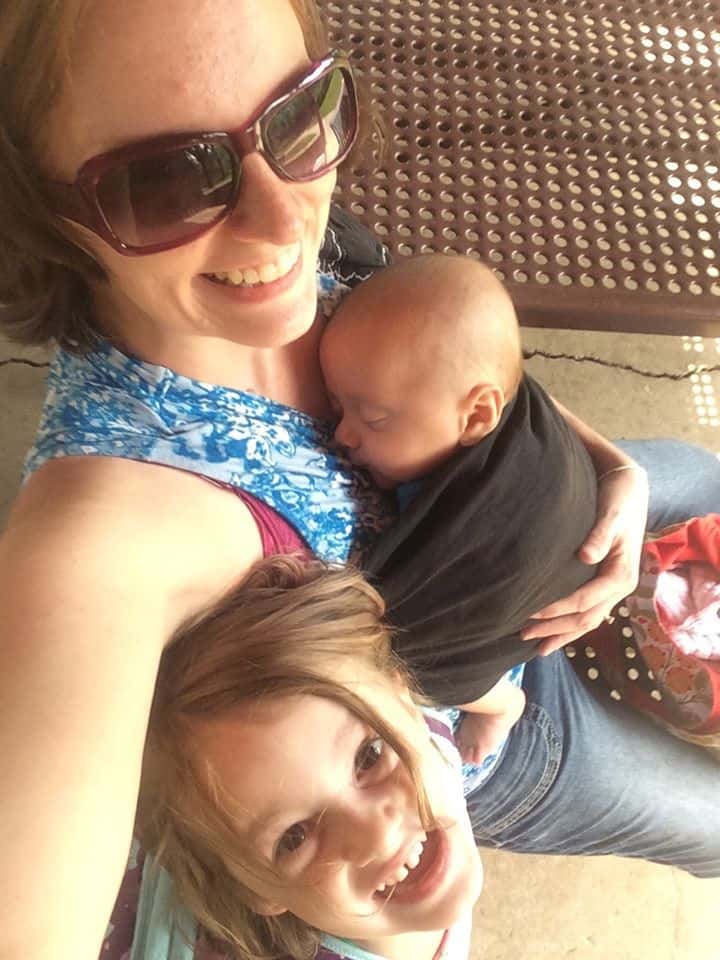
A year later, he wraps his tiny fingers around mine as I help him take his tentative first steps. As I watch my smiling son pull himself up on unsteady feet, I can see the bravery in accepting that sometimes the choices are made for us. To be strong, we only have to keep standing. He won’t remember the days he spent in the small plastic isolette, but I will know how far we’ve come. From inside the tiny boxes of the hospital, we have walked slowly, hand in hand, out into the big wide world.
Like this piece? Subscribe to our newsletter for real stories about women on their journey to motherhood.